
Fiberglass, steel, wood — and the door-quality factors beyond looks that determine how long your new entry door actually lasts in Ohio.
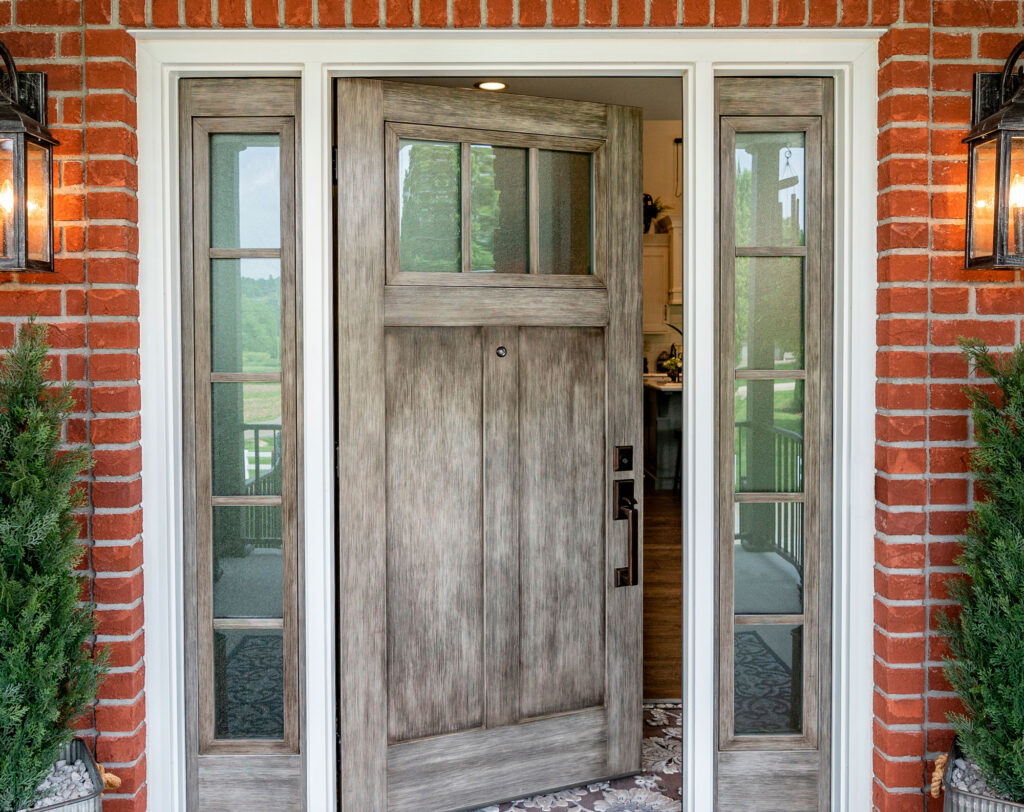
When Should You Replace Your Entry Door?
If your front door sticks, drafts, or feels flimsy when you close it, replacing it is one of the fastest upgrades you’ll feel every single day. It’s also a security decision — your entry door is the primary barrier between your family and the outside world.
At Evolve Egress, we’ve been installing entry doors across Ohio since 2004. Here’s the practical guide to picking a door you won’t regret. (Also replacing a patio door or windows? Bundling projects saves on crew mobilization.)
What will new doors actually cost?
Configure your patio or entry door and get a personalized price range in about a minute — no sales call, no pressure.
Get my instant estimateGet my estimate- ~60-second build
- No obligation
- Real Ohio pricing
What Makes an Entry Door “Good” Beyond Looks?
Solid core or quality construction. A good entry door has weight to it. Hollow-core doors feel cheap, provide poor insulation, and offer minimal security. Solid-core fiberglass, steel, or wood doors provide the mass needed for security, sound reduction, and energy efficiency.
Tight weatherstripping and threshold sealing. Ohio homes lose a significant amount of conditioned air around poorly sealed doors. Quality weatherstripping along all four edges, combined with a properly adjusted threshold, stops drafts and keeps heating and cooling bills in check.
Proper hinge and frame installation. The door is only as good as the frame it sits in. A quality installation means the frame is plumb, level, and shimmed correctly — the door swings freely, latches without forcing, and seals uniformly around all edges.
Hardware that actually secures the door. A deadbolt that only extends half an inch into a weak strike plate offers limited protection. Quality installations include deep-throw deadbolts, reinforced strike plates with long screws into the framing (not just the door jamb), and hardware designed to resist forced entry.
How Do Fiberglass, Steel, and Wood Doors Compare?
| Factor | Fiberglass | Steel | Wood |
|---|---|---|---|
| Cost (installed) | $4,500–$10,000 | $3,700–$8,000 | $6,000–$15,000+ |
| Durability in Ohio weather | Excellent | Very good (can dent) | Good with maintenance |
| Energy efficiency | Excellent (insulated core) | Good (foam core) | Moderate (depends on type) |
| Security | Very good | Excellent | Good |
| Maintenance | Very low | Low (touch-up paint) | High (regular refinishing) |
| Appearance | Can mimic wood grain | Clean, modern | Highest aesthetic |
| Best for | Most Ohio homes | Budget + max security | Historic / high-end homes |
For most Ohio homeowners, fiberglass offers the best overall balance. It handles our temperature extremes and humidity without warping, denting, or requiring regular refinishing. High-quality fiberglass doors can be textured to look like real wood — most visitors can’t tell the difference.
What About Glass in Entry Doors?
Decorative glass (sidelights, transoms, or glass panels in the door itself) adds curb appeal and natural light to your entryway. For Ohio homes, make sure any glass is insulated (dual-pane minimum), uses Low-E coatings for energy efficiency, and is tempered or impact-rated for safety.
Privacy is a consideration too. Decorative glass patterns, textured glass, or internal blinds let in light without giving a clear view into your home. We’ll walk you through options during your consultation.
What Are the Most Common Reasons to Replace an Entry Door?
Drafty door with visible light at edges. If you can see daylight around a closed door, you’re heating the outdoors. Weatherstripping and threshold adjustment might help temporarily, but the frame is usually the real problem.
Rotting jambs or threshold. Wood frames in Ohio eventually lose the moisture battle. Once rot starts in the jamb or threshold, it compromises both security and weather sealing. Frame replacement is typically part of the door project. If the rot extends to surrounding masonry, you may also want an assessment from our tuckpointing team.
Upgrading from a builder-grade door. New construction often uses the cheapest door available. Upgrading to a quality fiberglass or steel door dramatically improves how the home feels, looks, and performs.
Frequently Asked Questions
Can you replace the door without replacing the frame?
Sometimes, but many issues live in the frame and threshold. If the frame is warped, rotted, or poorly shimmed, installing a new door in the old frame will inherit the same problems. We assess the full situation and give you an honest recommendation.
Will a new entry door reduce noise?
Often yes, especially when upgrading from a hollow-core or poorly sealed door to a solid-core unit with quality weatherstripping. The improvement is most noticeable if you live on a busy street or near a highway.
How long does entry door installation take?
Most entry door replacements take 3 to 5 hours, including removal of the old door, frame work, installation, hardware, and weatherstripping. You’ll have a fully functional, secure door by the end of the same day.
What about storm doors — do I still need one?
With a modern, well-insulated entry door, a storm door is less necessary than it used to be. Some homeowners still like them for additional weather protection or ventilation (screen option). But a quality entry door should perform well on its own in Ohio’s climate without requiring a storm door as a crutch.
Should I replace my entry door and windows at the same time?
If both need work, bundling often makes sense — the crew is already on-site, and you get consistent quality across all openings. See our replacement window guide for what to look for on the window side.
Note: This article is general information. Pricing and product availability can vary. Always get multiple quotes and verify warranty details in writing.
Related Reading
- Replacement Windows in Ohio: What Actually Matters
- Patio Door Replacement: Sliding vs. French Doors
- What Is Tuckpointing? Ohio Homeowner’s Guide
- Basement Walkout Cost and Options in Ohio
Front door sticking, drafty, or past its prime? Get a free entry door estimate and we’ll show you what a proper upgrade looks like.
Cleveland: (216) 941-5470 | Akron: (330) 449-0513 | Columbus: (614) 852-4608 | Cincinnati: (513) 776-1805