
License, permit handling, drainage plan, well type, and finish work — the checklist that separates a real egress installer from a window company moonlighting.
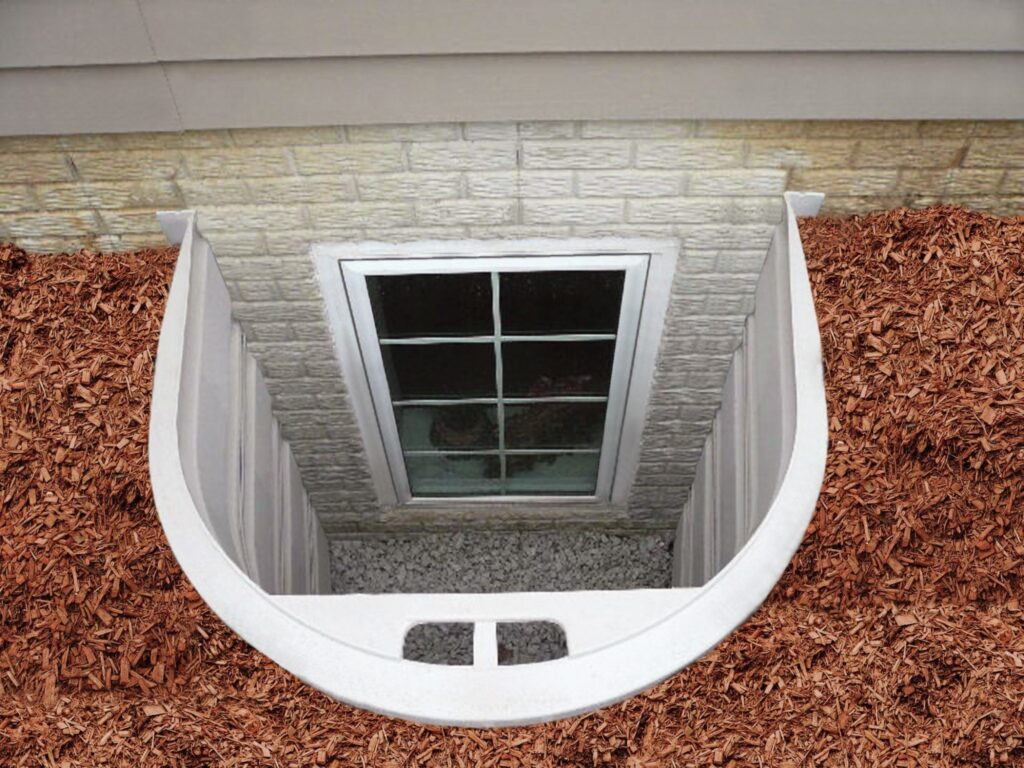
The right egress window installer in Columbus handles foundation cutting, well building, drainage, code review, and finish work as one complete project. A full-system installer quotes the window with the well, drainage, and permit included. Use this checklist to compare egress window contractors before you sign anything.
A qualified Columbus egress installer handles the full system: code review under Ohio code, the saw cut through block or poured concrete, the lintel above the new opening, the window unit, the well, the drainage line, and the interior finish. A complete quote includes every piece of that scope.
A quote that includes the well and the drainage from the start gives the homeowner a clear picture of the finished system. The well is part of the basement egress; it is the second half of the exit.
What a complete scope covers:
The installation process guide is a useful baseline for what a full project should include.
Ask questions that let the installer walk through the full sequence. A real egress installer answers in plain language because they have done many of these in Columbus basements.
Five questions that show how an installer plans the project:
A measured visit is the cleanest place to confirm those answers and put the scope in writing.
The contractor explains where the water goes after it lands in the well: which stone goes at the base, which direction the drain pipe runs, and how it connects to a sump or daylights to grade. Drainage is one of the most important parts of a long-lasting egress window.
A working egress system protects the basement once the new opening is cut. The well, stone, and drain are designed together to manage water at the foundation.
What a real drainage answer covers:
A dry egress window comes from a complete system. The well and drainage deserve as much attention as the window itself.
Permits and inspections matter because the egress is an emergency-exit opening and the cut is structural work. Going through local review documents the project for refinance, sale, or a future basement remodel.
Columbus and the surrounding suburbs each have their own inspection sequence. A real installer knows whether the address is reviewed by the City of Columbus, Franklin County, or a suburb like Worthington or Westerville.
Why the permit closeout is worth keeping:
Workmanship details, product documentation, debris removal, and interior dust control all belong in writing on the contract. Clear written terms keep the project running smoothly once the yard is dug and the wall is open.
A clean basement and a clean yard at the end of installation day are signs the crew handled the rest of the job carefully too.
What to look for on the contract:
A detailed quote tells you what the finished basement and yard look like when the crew leaves.
Strong quality signs include a detailed written scope, a clear drainage plan, an upfront permit conversation, a measured visit before the quote, and itemized line items for the well, the cover, and the cleanup.
A complete quote shows every part of the system: the well, the drainage, the lintel, the permit, and the interior finish are all listed.
Five quality signs to look for:
A complete quote keeps the project on plan once the foundation is open.
The final walkthrough is where the inspector’s checklist becomes your checklist. The crew walks the inside trim, the operable opening, the well floor, the ladder, the cover, and the drainage outlet with you at project close.
The walkthrough is the moment to confirm everything matches the written scope and the permit closeout. Use the window well guide to know what to look for in the well at handoff.
Yes. Compare written scopes line by line. A complete quote that includes the well, drainage, and permit gives you the clearest picture of the finished project.
Yes. Egress involves saw-cutting the foundation, structural lintel work, exterior excavation, drainage, and code planning. An egress specialist is set up for the full scope.
Photos help start the conversation. The well sizing, the lintel, and the drainage tie-in are confirmed with an on-site measurement.
Ask for the signed final inspection card if one applies, product documentation, and any written workmanship terms. Save those with the rest of your home records.
A measured walkthrough from a Columbus egress crew gives you the scope, the timeline, and the permit path in one visit. Evolve Egress can answer the wall, well, and drainage questions before you commit. Start at /get-a-quote/ to request a free estimate.
Our team is ready to assist you. Call one of our offices using the phone numbers below or text us at (614) 852-4608