
Columbus basement bedrooms need a code-compliant emergency escape window or door. Here is what the inspector actually checks and how to plan the install.
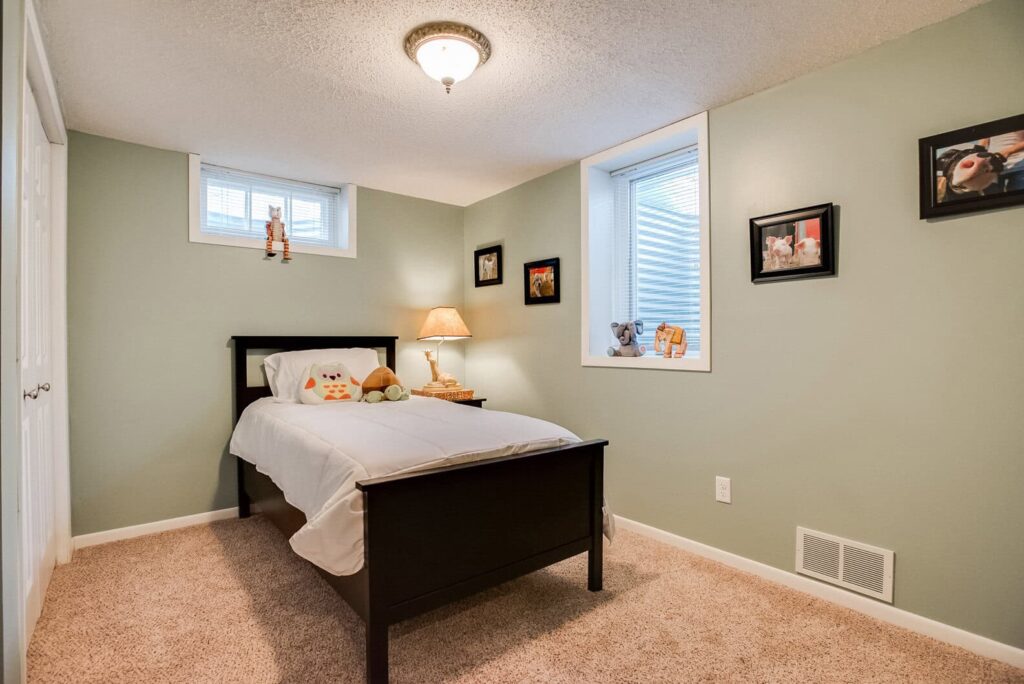
A basement bedroom egress window in Columbus is commonly needed when a below-grade room will be used for sleeping. Ohio’s residential code addresses sleeping rooms with a specific set of requirements, and local review confirms the final specs. Plan the egress before drywall, flooring, or built-ins go in.
Yes. Under Ohio code, sleeping rooms generally need an emergency escape and rescue opening. A basement bedroom in Columbus, Dublin, or Powell should be planned with an egress window or approved exit door, even if the rest of the basement is unfinished.
The label on the floor plan is not the only thing that matters. If the room will be used for sleeping, your installer plans around the emergency escape requirement and confirms the local process before work starts.
What the code trigger actually checks for:
A basement room is best reviewed against current code before it is described or finished as a bedroom. Appraisal, inspection, and listing treatment can vary, so confirming the room’s status early keeps the plan clean.
When the egress is in place, the bedroom story is straightforward at sale and at inspection.
What egress adds to the bedroom story:
If you want the room to function as a real bedroom, plan the egress as part of the room from the start.
Install the egress window before drywall, flooring, and built-ins go in. The crew needs clean access to the wall, and the final sill is measured from the finished floor, not the slab.
A retrofit install in a fully finished basement is also routine; the crew handles the additional drywall, trim, and flooring restoration as part of the scope.
When timing earns its keep:
Early planning also lets your remodeler avoid building finished work that has to be opened again later.
Ohio code sets minimum size and sill-height requirements for emergency escape openings — your installer pulls current specs as part of the permit. The window meets the local clear-opening requirement when fully open, and the sill is set within the local height range above the finished floor.
The well has its own set of requirements: clear floor area, projection from the wall, and a permanent ladder when the well calls for one.
What the inspector reviews on the final visit:
For the full Ohio code breakdown, see the Ohio egress requirement guide.
A smooth inspection comes from planning the full system: measuring the clear opening, accounting for the sill height after flooring is added, sizing the well, choosing a cover that opens from below, and going through local review.
Experienced egress crews plan the system around the inspection from the first visit. The window, the well, and the cover are designed together.
What a smooth inspection includes:
A good installer explains how the finished system is planned around the requirement, not just which window unit was ordered.
A code-aware egress window can make the bedroom plan easier to explain because it addresses the emergency-exit question directly. The presence of the window supports the bedroom story.
Listing agents, buyers, and inspectors often look for egress when reviewing basement bedrooms. The window is part of the bedroom conversation, not just an upgrade on top of it.
What egress changes at sale:
If you are finishing the room for long-term use, the egress is part of planning the space correctly, not a decorative upgrade.
Book a measured visit with the room defined and the layout sketched. The estimator needs to see the wall, the grade outside, and the planned bed location to size the window and the well as one system.
What to have ready before the visit:
Start at the Evolve quote page to request a Columbus measured visit.
Walk the project from both sides on the day the crew leaves. Inside, confirm the window opens fully, the trim is sealed, and the sill height matches the permit drawing. Outside, drop into the well, climb out using the ladder, and confirm the cover opens from below without tools.
Keep the permit closeout and the product documentation paperwork with the rest of your home file. If you sell the home, those records answer the bedroom-count question without a second inspection.
If the original permit was pulled for a non-sleeping room and the egress was not part of that scope, converting later usually triggers a new permit. Plan the egress now if there is any chance the room becomes a bedroom.
The closet is not the trigger; sleeping use is. Ohio code keys off whether the room is used or intended for sleeping, regardless of closet, door, or floor plan label.
A fixed glass block window does not provide an emergency escape opening. A basement bedroom needs an operable egress window or an approved exit door.
The new opening is larger than a standard hopper, so the room receives more daylight. The well shape and any cover material also affect how much light reaches the floor.
Adding a basement bedroom is easier to plan when the egress, the well, and the finish details are reviewed together. Evolve Egress can confirm what your Columbus-area basement needs before drywall goes up. Start at /get-a-quote/ to request a free estimate.
Our team is ready to assist you. Call one of our offices using the phone numbers below or text us at (614) 852-4608