
Polycarbonate, mesh, custom-fit — the cover types that meet Ohio code, what they cost, and when each one is the right call.
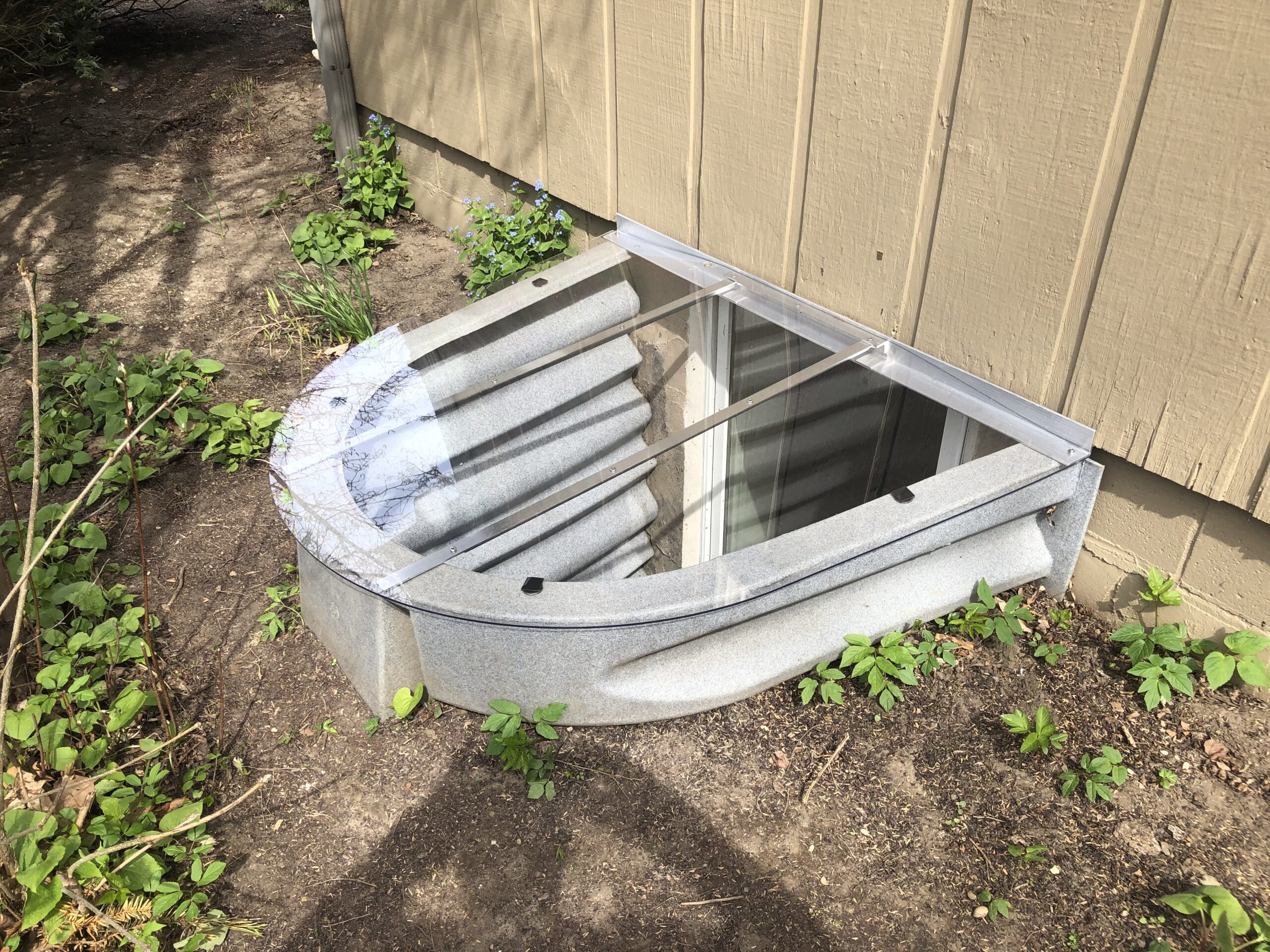
Egress window cover installation helps keep leaves, snow, rain, pests, and accidental falls out of the well, while keeping the emergency exit fully usable. In Ohio, the right cover sheds water, supports winter use, and opens from inside the well without tools. Here is how to choose one that works with the egress opening.
Egress windows do not always require a cover, but many Ohio basements add one for extra protection. A cover keeps debris and snow out of the well and adds a layer of safety around the opening. Side yards with deep steel or concrete wells where rain and leaves rarely build up sometimes go without a cover. Window wells next to mulch beds and garden beds collect debris faster, so a cover is a popular choice in those settings. When a cover earns its keep:
The right cover works with the well and still lets the window function as an emergency exit.
A code-aware cover opens from inside the well without a tool or key, leaves room above the window for full operation, and stays usable through the seasons. The planning rule is straightforward: the cover opens from below without tools or special knowledge. A good cover plan starts with the hinge and the grip, so the path from inside the well is clear. Emergency exit planning is part of how the cover is designed. What inspectors look for on a cover:
Before buying a cover, read the Ohio egress requirement guide and ask the installer to confirm fit.
Common Ohio cover options include clear polycarbonate domes, hinged metal grates, and custom-fabricated covers sized to oversized or square wells. Each does a different job.
Match the cover to two things at once: how the well is used (foot traffic, kids, pets) and how much exposure that side of the home gets (snow, leaves, sun).
Egress cover scope is shaped by size, material, custom fabrication, and whether the cover is part of a new egress project or a retrofit. Standard wells are simpler to quote, and unusual wells get a measured recommendation. What shapes the cover scope:
A measured quote is the cleanest way to size the cover. A custom fit is more durable and easier to operate than a stock cover that has been trimmed.
Plan the cover during the original install when possible. The crew sizes the well around the window, then sizes the cover around the well. Those three pieces work best as one system. Adding a cover later is also straightforward when the well is sound. A measured visit confirms the fit and the hardware so the cover works smoothly with the existing well. Why cover planning during installation helps:
If the egress is already in the ground, a retrofit cover can still be useful once the well is measured.
Most covers need a quick seasonal check and a wipe-down. The goal is to keep the cover liftable from below and the well floor visible from above. The seasonal checklist:
A cover reduces maintenance and the seasonal checklist keeps the emergency exit ready to use year-round. Ask the estimator to walk through how the cover opens from inside the well. A clean cover plan is simple to operate from below and clean from above. The better test is straightforward: someone in the well can open it without a tool, key, or special trick. If the project involves a room that may be used for sleeping, keep the cover decision tied to the current local review process. The opening, well, ladder, cover, and drainage details are confirmed from measurements as the scope is set.
Ohio winters shape the cover decision as much as the summer rain does. A well-designed polycarbonate cover handles a Cleveland snow drift through smart rib spacing and panel thickness. Steel grates handle snow load without flexing and let snow drop into the well below. Domed polycarbonate sheds most snow off the sides. The right choice depends on which side of the home faces the prevailing winter wind and whether the well sits below a roof valley. What to ask about for snow:
A cover sized for Ohio winter conditions stays usable through the season and keeps the egress opening ready to use.
A cover over an egress well should open from inside the well without a tool or key. Ask your installer or local reviewer before using any locking setup.
A clean polycarbonate cover preserves most of the daylight that reaches the window. A simple seasonal wipe-down keeps the panel clear and the basement bright.
The cover handles most rain and snow inflow, while the well still includes stone at the base and a working drain. Together, the cover and drainage manage water around the opening.
For oversized or square wells, custom fabrication is the cleanest fit. A custom cover sits flush, operates smoothly, and matches the well rim exactly.
A cover is part of a working egress, not just an accessory. Evolve Egress can size the cover with the well and the window as one system. Start at /get-a-quote/ to request a free estimate. The window well guide and the egress windows page cover related decisions before the visit.
Our team is ready to assist you. Call one of our offices using the phone numbers below or text us at (614) 852-4608