
What a Columbus install actually involves — from permit, to cut, to inspection — plus the installer questions that separate a clean job from a bad one.
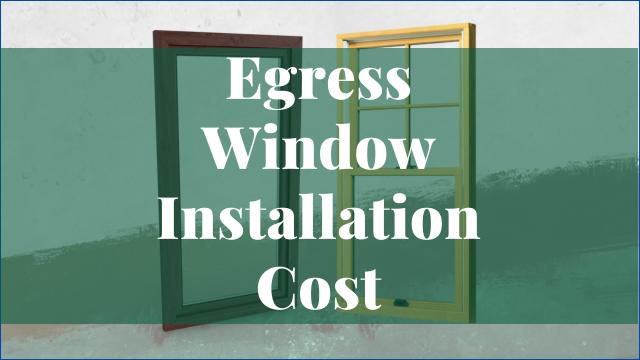
Egress window installation in Columbus, Ohio is a complete foundation project. The crew enlarges the basement opening, sets a code-aware window, builds a window well outside, runs drainage, and finishes the inside trim. This guide walks you through the process, permits, timing, and the questions to ask before you sign anything.
Egress window installation in Columbus includes the window unit, the enlarged foundation opening, the window well outside, drainage at the base of the well, and the interior finish. Each piece is reviewed by your local building department before the room can be used as a basement bedroom.
Most Columbus homes built before 1980 have block foundations, while newer builds in Dublin, Powell, and New Albany usually use poured concrete. The foundation type shapes how the crew cuts the wall and how the lintel above the window is supported.
What a complete scope covers:
A Columbus egress window scope is shaped by foundation type, well depth, drainage scope, and how much interior finish work the crew handles. The window itself is one piece of a larger system.
Foundation type is the biggest variable: block walls and poured concrete each have a tailored cutting plan. The well depth follows the basement floor and the surrounding grade.
What shapes the scope line by line:
For the full breakdown of scope factors, see the Evolve egress cost guide and then ask for a measured quote on your home.
Many Columbus-area egress projects need a building permit because the new opening is reviewed by the local building department. The reviewing authority is the city or township that owns the address, not always the mailing city.
Ohio code sets minimum size and sill-height requirements for emergency escape openings. Your installer pulls the current specs as part of the permit so the inspector approves the finished opening, not just the rough cut.
Permit details that affect your project:
A standard Columbus egress install is typically one to two days on site once the permit is in hand. The lead time often depends on plan review at the building department, which varies by city.
The on-site cutting is just one part of the process. Utility marking, weather windows for excavation, and any drywall or trim restoration inside also shape the schedule.
What can shape the schedule:
Before any saw touches the wall, the installer confirms the structural plan, the utility locations, the exterior excavation path, and the finish details. Confirming the lintel first is how a clean project comes together smoothly.
A complete pre-cut review covers the lintel detail, the excavation footprint, and the final sill height with flooring in mind. If the basement is already finished, the crew also confirms how dust is contained and where debris exits the home.
What to confirm in writing before cut day:
The trigger is usually how the basement room will be used. Columbus homes built before the current code often look at an egress upgrade when an owner converts a recreation room or office into a sleeping room.
Older Clintonville and Grandview homes typically have small hopper windows that can be updated to a current emergency escape opening. Newer suburban builds usually have a larger basement window that may still benefit from an updated well or sill plan.
Houses where egress comes up most often:
You get a measured Columbus egress quote by booking an on-site visit. Photos help the conversation, and the on-site visit lets the estimator confirm the full scope.
The estimator measures the existing window, walks the exterior grade, reviews any water history along the foundation, and confirms how the room is being used today. That visit is what turns code language into a real scope.
What to have ready when the estimator arrives:
Start with the Evolve quote page and ask for a Columbus measured visit.
Once the crew leaves, walk the project from both sides. Inside, open and close the window, check the trim seal, and confirm a clean perimeter around the new frame. Outside, step into the well and confirm the ladder is solid, the cover opens from below, and the stone base is in place at the drain.
Keep the permit closeout and any product documentation paperwork with your home file. If a future buyer asks whether the basement bedroom is code-aware, those records answer the question simply. The window well guide covers the well details to revisit each spring.
Yes. The installer inspects the block condition, measures the exterior grade, and confirms whether the existing lintel can be reused or replaced. Older homes most often need a deeper well because grade has been built up over decades.
The permit follows the structural cut and the life-safety opening, not the finish status of the basement. A finished basement usually means more interior repair is included in the scope.
Yes. Columbus crews regularly schedule winter installs and adjust the excavation plan to seasonal soil conditions.
The installer schedules the rough and final inspections with the local building department. You do not have to coordinate the inspector yourself.
A Columbus egress project is easier to plan when the room, the wall, and the grade are reviewed together. Evolve Egress can confirm whether your basement needs a new opening, a replacement, or only a well upgrade. Start at /get-a-quote/ to request a free estimate.
Our team is ready to assist you. Call one of our offices using the phone numbers below or text us at (614) 852-4608