
What sliding, French, and hinged patio doors actually cost installed in Ohio — plus the threshold and seal details that drive the long-term value.
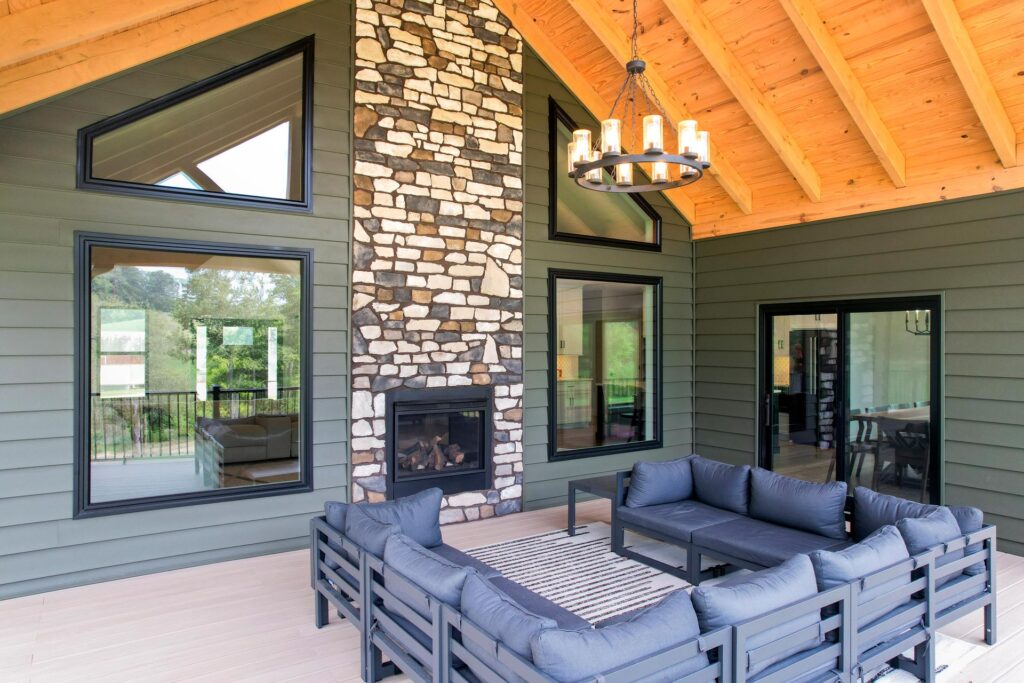
How much does patio door replacement cost in Ohio? A standard vinyl sliding patio door generally costs $2,975–$4,000 installed. Across sliding, French, hinged, and multi-panel styles, generic Ohio patio-door projects run $2,975–$9,000 installed; French, hinged, and multi-panel configurations sit in the upper part of that range, and opening changes can push higher.
Patio door cost depends on more than the door displayed in a showroom. The installer must remove the existing system, inspect the opening, manage water at the sill, set and seal the new frame, finish the interior and exterior interfaces, and verify smooth operation. Door size, configuration, glass, finish, frame condition, and structural changes determine the final installed price.
This is a brand-neutral Ohio cost guide. For a price based on your actual opening, request a free in-home patio door estimate. Published figures are planning ranges, not binding estimates; the free in-home assessment produces the exact written proposal.
| Patio door type | Installed Ohio price guidance | Where it fits |
|---|---|---|
| Standard vinyl sliding door | $2,975–$4,000 | Common two-panel replacement in an existing opening |
| Premium or multi-panel patio door | Toward $9,000 | Larger configurations, premium materials, finishes, or features |
| French or hinged patio door | Generally higher than a comparable slider | More hardware, alignment demands, and finish complexity |
Those numbers describe professional installation rather than a product sitting on a store shelf. A standard two-panel vinyl slider replacing a similar unit is the most predictable scenario. Wider assemblies, multiple operating panels, premium interiors, decorative glass, structural changes, and substantial opening repair move the price upward.
Not every premium selection reaches the ceiling, and not every standard-looking opening lands near the floor. The final number depends on what the installer finds after measuring and inspecting the frame, sill, exterior cladding, and surrounding wall.
A complete replacement normally includes removal of the old panels and frame, disposal, inspection of the rough opening, preparation of the sill, installation and adjustment of the new door, insulation and air sealing, exterior water-management details, standard interior and exterior finish work, hardware setup, operation testing, and cleanup.
The written scope should say what happens if the installer discovers rot or water damage after removal. It should also define trim, paint, siding, brick, flooring, and threshold responsibilities. “Installed” is too vague if those interfaces are not addressed.
A quality proposal prices the door and labor as one functioning result. Product choices and installation complexity both matter, but splitting them into generic dollar allowances is not useful when the opening has not been inspected. A lower product price cannot compensate for poor flashing, and premium labor cannot make a configuration fit an unsuitable opening.
Sliding doors are usually the most economical because they use the existing footprint efficiently and do not require swing clearance. Hinged and French doors require precise alignment at the hinges, meeting stiles, locking points, weatherstripping, and threshold. Those demands generally make them more expensive than a comparable slider.
A two-panel slider is the standard baseline. Three- and four-panel systems use more glass, frame material, hardware, and installation time. A wider door may also require a structural evaluation, particularly when the project changes the existing opening.
Vinyl provides a practical, low-maintenance starting point. Wood-interior and other premium systems offer different aesthetics and may require more finish coordination. Exterior and interior colors, grids, hardware, and custom trim can also move a project higher.
Glass occupies most of a patio door, so glazing choices affect comfort, glare, fading, and efficiency. Low-E configurations, privacy or decorative glass, internal blinds, specialty safety glass, and larger insulated panels influence the final price. Select glass for the room’s exposure and use—not merely the longest feature list.
Hidden sill deterioration, a racked frame, failed flashing, or water-damaged framing can expand the scope. An experienced estimator looks for staining, soft trim, flooring damage, exterior gaps, and drainage problems before quoting, although some concealed damage can only be confirmed after removal.
Replacing a door with the same size and style is more predictable than widening the opening, changing a window into a door, or installing a much larger multi-panel assembly. Structural modifications may involve framing design, permits, siding or masonry work, and broader interior restoration.
Upper-level decks, tight yards, finished rooms, difficult carrying routes, and large heavy panels complicate handling. Access does not change the product, but it changes how the crew can safely remove and install it.
A standard vinyl sliding patio door costs $2,975–$4,000 installed in the approved Ohio range. Sliding systems remain popular because they preserve floor and patio space, provide a large glass area, and work in common residential openings.
The lower portion of the range generally describes a straightforward standard configuration in a sound opening. Larger panels, premium frames, upgraded glass, custom colors, internal blinds, extensive trim, or sill repair move the price upward.
If your main question is whether a malfunctioning slider needs repair or full replacement, use the separate sliding glass door replacement guide. Keeping repair-versus-replace guidance there prevents this cost page from competing with it for the same job.
French and hinged patio doors generally cost more than comparable sliding doors. They contain more operating hardware and require careful alignment so both panels close, lock, and seal correctly through Ohio’s seasonal temperature changes.
A hinged door may use one active panel and one fixed or secondary panel. A true French configuration can provide a broad opening when both panels operate. The extra clearance and traditional appearance suit some homes, but homeowners must account for furniture, curtains, exterior steps, snow, and wind around the swing path.
Door handing, threshold exposure, multipoint hardware, decorative glass, sidelites, transoms, and trim details influence the final installed number. A site visit confirms whether the existing opening can accept the proposed configuration without structural work.
Three- and four-panel systems can move toward the $9,000 upper end of the approved patio range. These projects use larger assemblies and may require additional labor, glass, hardware, finish work, and structural review.
Do not compare a multi-panel proposal with the advertised price of a basic two-panel unit. Confirm panel count, operating direction, overall dimensions, glass, screen configuration, finish, hardware, and opening work. Those differences explain much of the gap between proposals.
Whether crews reuse a sound existing frame (a less involved install) or replace the entire door system changes both the scope and the price. Which path fits a given opening is a condition-and-repair decision covered in the sliding glass door repair-versus-replacement guide; the installed ranges above already reflect the typical spread between the two.
Whether a fogged pane, worn rollers, or a draft justifies a repair instead of a full replacement is a decision in its own right. Our sliding glass door repair-versus-replacement guide walks through each symptom; this page focuses on what replacement costs once you have decided to replace.
Many like-for-like patio door replacements are completed in one day. Large multi-panel assemblies, opening modifications, significant sill repair, masonry work, or complicated finish restoration may require additional time.
The installation appointment is only part of the calendar. Measurements, product selection, ordering, permit review when required, and scheduling occur first. Custom size, color, glass, or hardware choices can affect lead time. Your proposal should distinguish expected product lead time from on-site installation time.
A like-for-like replacement may be treated differently from a project that widens the opening or changes structural framing. Requirements vary among Cleveland-area municipalities, Columbus and its suburbs, and Cincinnati-Dayton jurisdictions.
The contractor should determine whether the proposed scope requires a permit and explain who will handle it. Never assume that an opening modification is permit-free because the finished product is still called a patio door.
Ohio patio doors must manage winter cold, summer humidity, wind-driven rain, snow at the threshold, and repeated freeze-thaw cycles. A good product can still fail early if the sill is not prepared and flashed correctly.
Prioritize:
Evolve provides an industry-leading workmanship warranty on its installation, plus the manufacturer’s product warranty (current terms vary by manufacturer). Ask any installer to put both forms of coverage in writing.
The approved price guidance applies across Evolve’s Ohio service areas: $2,975–$4,000 installed for a standard vinyl slider, with premium and multi-panel systems moving toward $9,000. The city name does not create a separate price tier.
Older Cleveland-area homes may require masonry or trim coordination. Columbus properties often have vinyl-sided openings and suburban permit variations. Cincinnati and Dayton homes may present sloped patios, exposed thresholds, or more complicated drainage. The individual opening—not your city—sets the scope.
Ask every contractor to identify:
A cheap quote becomes expensive when it excludes the opening repair or water-management work that the door needs. A high quote is not automatically better either; it should clearly show what additional product or scope you are buying.
A standard vinyl sliding patio door costs $2,975–$4,000 installed in Ohio. Premium and multi-panel configurations can move toward $9,000, while French and hinged doors generally cost more than comparable sliders.
The cost depends on style, size, panels, frame material, glass, finish, opening condition, and whether structural changes are required. A site inspection is necessary to convert the published range into an exact proposal.
A standard vinyl slider generally costs $2,975–$4,000 installed. Larger or premium sliding systems can move higher, with multi-panel projects toward the top of the $9,000 patio range.
Generally, yes. French and hinged doors involve additional operating hardware, alignment, weatherstripping, and finish details. The exact difference depends on the selected systems and opening.
Sometimes. Glass-only replacement is reasonable when the compatible unit is available and the frame, sill, lock, rollers or hinges, seals, and flashing remain sound. Multiple failures usually favor full replacement.
Many standard replacements are completed in one day. Multi-panel systems, concealed damage, structural changes, masonry work, or extensive finishing can extend the installation.
Yes. Evolve offers flexible financing subject to approval and current terms. The free in-home assessment establishes the exact project price first.
There is no universal winner. A slider suits tight spaces and straightforward operation; a French or hinged door suits homeowners who value a traditional appearance and broad opening. Installation quality and water management are critical for every style.
For brand-specific options, read the ProVia patio door cost guide. You can also review Evolve’s broader door cost resources.
Get My Estimate for a free in-home assessment in the Cleveland, Columbus, or Cincinnati-Dayton service area.
Our team is ready to assist you. Call one of our offices using the phone numbers below or text us at (614) 852-4608